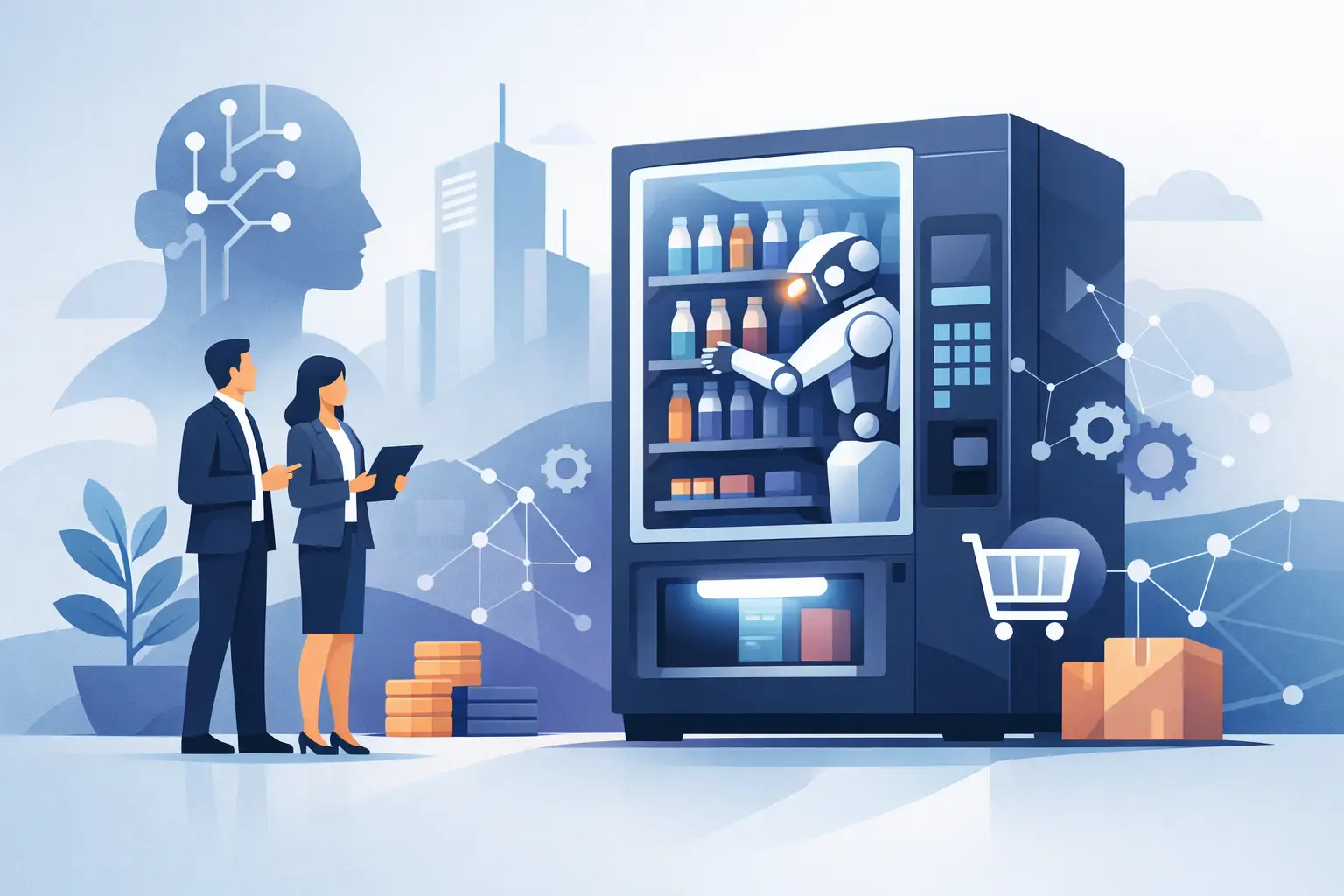
Break rooms, apartment lobbies, gyms, and warehouse floors all have one thing in common: someone eventually asks whether an automated cooler with card-tap access is worth the extra cost over a standard machine. The honest answer depends less on the technology and more on the account itself — traffic, product mix, and who's willing to keep it stocked.
## Two Very Different Machines, Two Very Different Jobs
A traditional **[vending machine for sale](https://vendingmachinesforsale.net/product/snack-vending-machine-for-sale/)** still does what it's always done best: dispense one selected snack or drink at a time, reliably, at a website low cost to buy and run. It's the right call anywhere demand is simple and predictable — a small office, a break area, a waiting room.
AI-powered coolers work differently. The customer pays first, the door unlocks, and they can grab several items before checkout finishes automatically using cameras or weight sensors. That opens the door to selling fresh food, dairy, and larger bottled drinks that never fit in a standard coil — but it also comes with a higher price tag and a stricter stocking routine.
## How to Tell Which One Fits Your Location
Start with traffic and timing, not the equipment brochure.
- **Offices and warehouses:** A steady day shift with a nearby cafeteria rarely needs more than a solid snack-and-drink combo. A round-the-clock operation with a night shift and no food options nearby is where a smart cooler earns its cost.
- **Apartments and hotels:** Convenience after hours is the whole value proposition. Placement, lighting, and a dependable internet connection matter as much as the machine itself.
- **Gyms and campuses:** Protein drinks, bars, and recovery snacks sell well here, but only during the hours people are actually training. Map the schedule before committing to a bigger unit.
- **High-traffic public spaces:** Airports, hospitals, and transit stops can produce strong numbers, but they also demand tighter restocking schedules and closer monitoring for loss.
## The Operating Side Nobody Mentions in the Brochure
Cashless payment isn't optional on smart equipment — it's how the transaction starts. A weak signal or an unsupported card reader kills a sale before it happens, so test connectivity at the actual site before delivery.
Product databases also need constant upkeep. Every new package size or swapped item has to be logged correctly, or you'll end up with mischarges and customer complaints. That's a different weekly habit than simply loading a spiral.
And capacity is only useful if you can keep it fresh. A bigger cooler filled with perishable stock just means more waste if your delivery route can't keep pace. Start lean with proven sellers, then expand once the first few weeks of sales data tell you what's actually moving.
## New, Used, or a Mix of Both
New equipment brings full manufacturer support and current software — usually the safer bet for a flagship account or a corporate pitch. Used units can lower the upfront cost, but buyers need to confirm the payment system, software activation, and cooling performance before committing, since a cheap machine that can't be reactivated isn't actually a bargain.
A practical starting point for a new operator: run a low-cost, conventional unit in your straightforward accounts, and reserve a single AI-powered cooler for the one location with real demand for fresh food or multi-item purchases. That gives you performance data before scaling up the smart-vending side of your route.
## Bottom Line
The best equipment choice isn't the one with the most sensors — it's the one that matches verified foot traffic with products people will buy again next week. Confirm the account first, then decide whether a standard machine or a smart cooler is the smarter investment for that specific spot.
Comments on “# Should You Buy a Smart Vending Machine or Stick With a Traditional Setup?”